
Developmental Computational Cognitive Neuroscience
Lucas Benjamin
How the human brain learns from its environment: from birth to adulthood
From auditory sequences in sleeping newborns to perceptual decisions in adults, measured with EEG, MEG and intracranial recordings, explained with Bayesian and neural-network models.
About
I’m a postdoctoral researcher in computational cognitive neuroscience, working with Benjamin Morillon at the Institut de Neurosciences des Systèmes (Aix-Marseille University) and Valentin Wyart at the Laboratoire de Neurosciences Cognitives et Computationnelles (ENS-PSL, Paris).
I study how the human brain integrates and compresses information over time, from auditory sequences heard by neonates to perceptual decisions made by adults, by combining EEG, MEG and intracranial recordings with Bayesian and artificial neural network models.
I did my PhD at NeuroSpin (CEA & Sorbonne University) under the supervision of Ghislaine Dehaene-Lambertz, after engineering studies at CentraleSupélec and an MSc in computational biology at Paris-Saclay University.
Research Three strands
 01
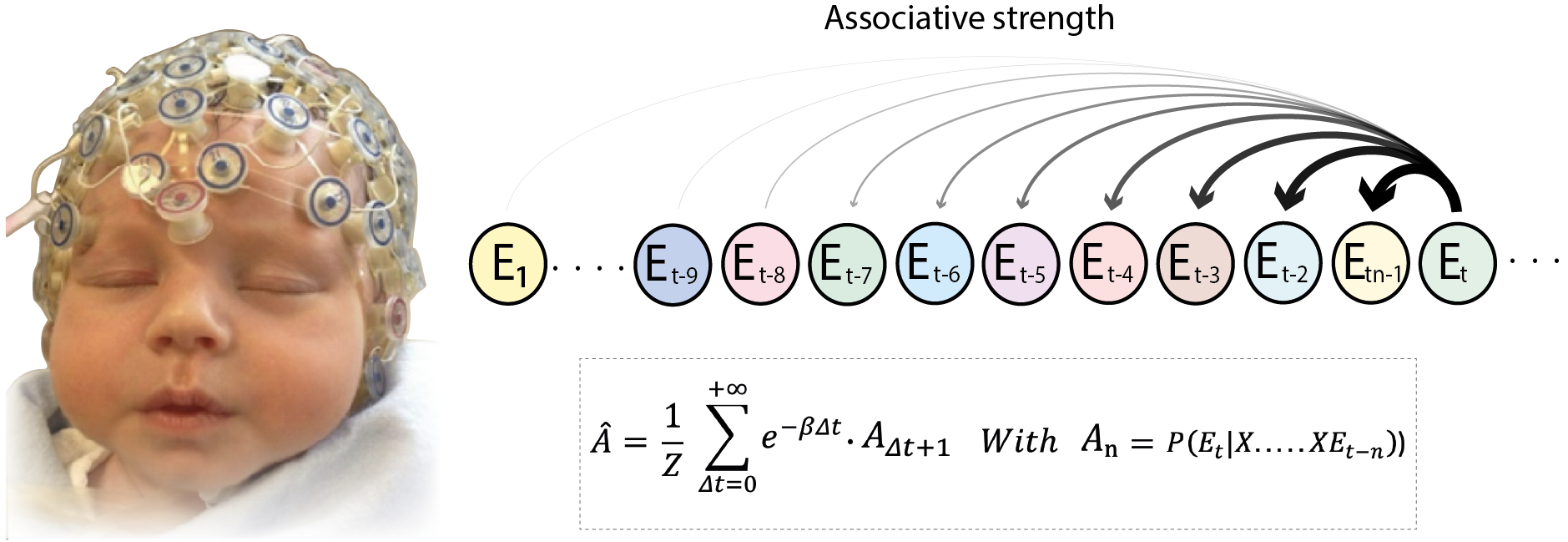
Statistical and network learning in sequences
How listeners, even sleeping newborns, extract transition probabilities and the graph structure hidden in streams of sound.
Read more →
01
Statistical and network learning in sequences
How listeners, even sleeping newborns, extract transition probabilities and the graph structure hidden in streams of sound.
Read more →
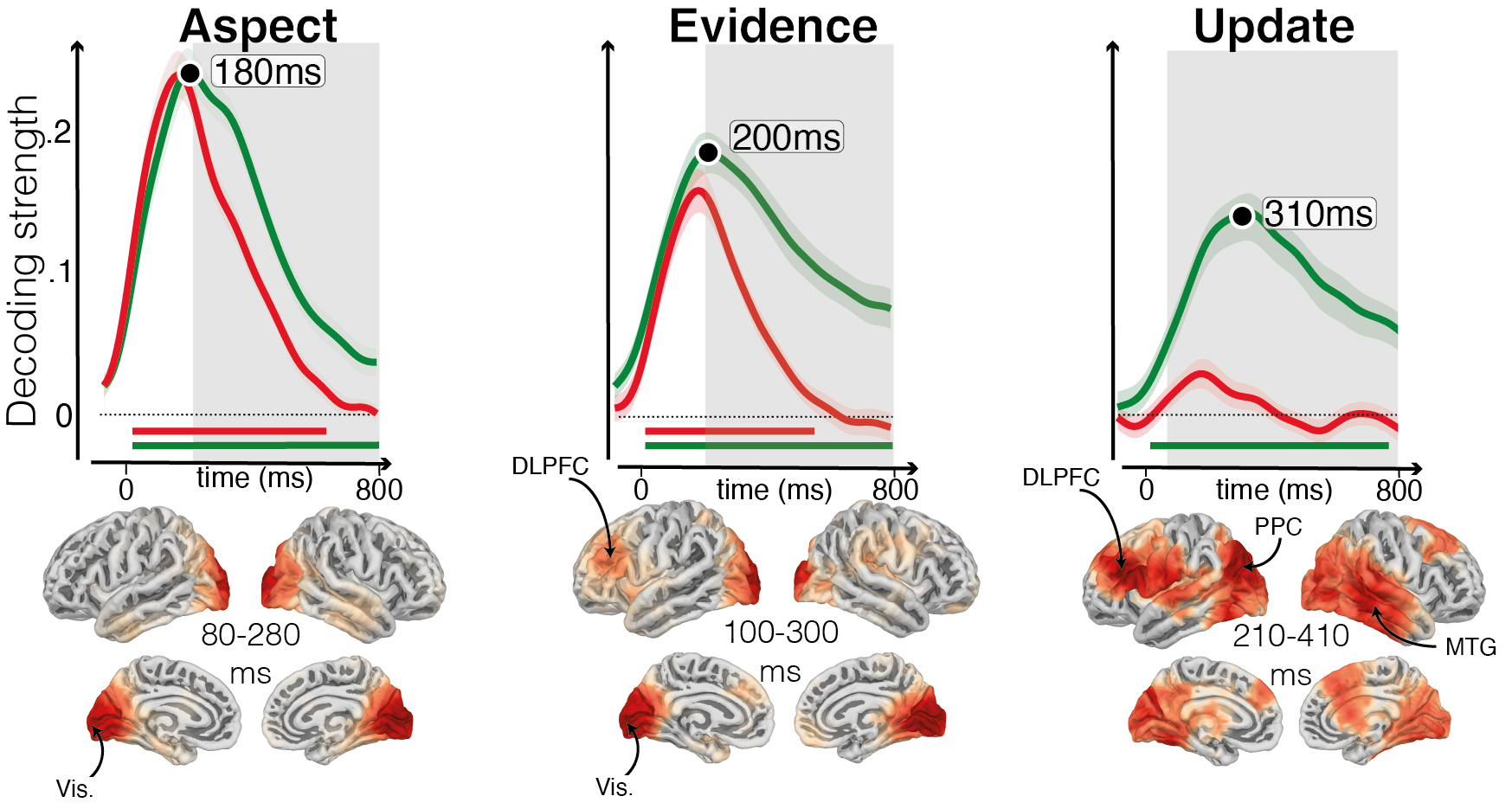 02
Decision making and sensory integration
How temporal prediction, evidence accumulation and rule discovery interact while the brain commits to a choice.
Read more →
02
Decision making and sensory integration
How temporal prediction, evidence accumulation and rule discovery interact while the brain commits to a choice.
Read more →
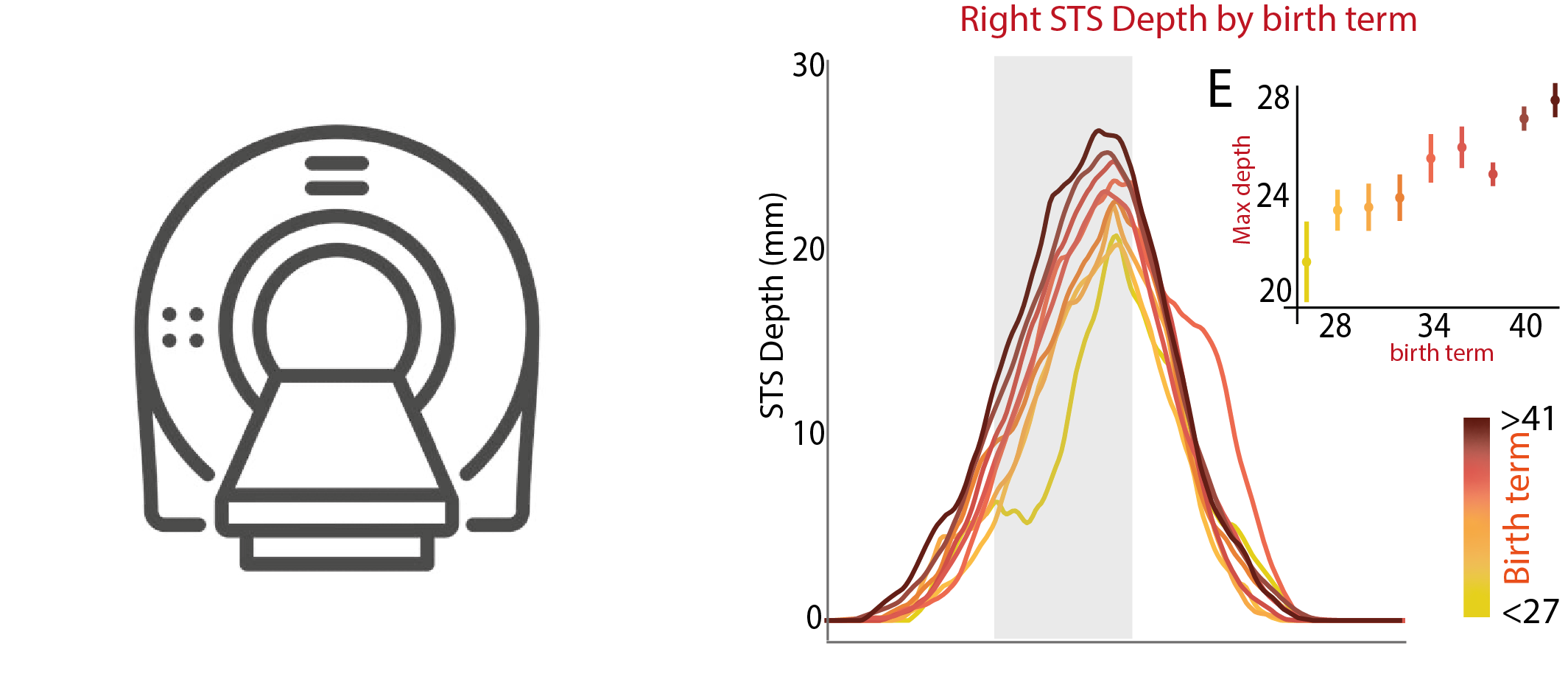 03
Auditory cortex development and prematurity
How early auditory experience sculpts the superior temporal sulcus in the newborn brain.
Read more →
03
Auditory cortex development and prematurity
How early auditory experience sculpts the superior temporal sulcus in the newborn brain.
Read more →
News
- 2026 Sensory integration, temporal predictions and rule discovery reflect interdependent inference processes in humans is out in PNAS.
- 2026 Long-horizon associative learning as a unifying framework for statistical learning across scales is out in PNAS.
- 2024 Awarded a 3-year postdoctoral grant from the Fondation pour la Recherche Médicale (FRM).